
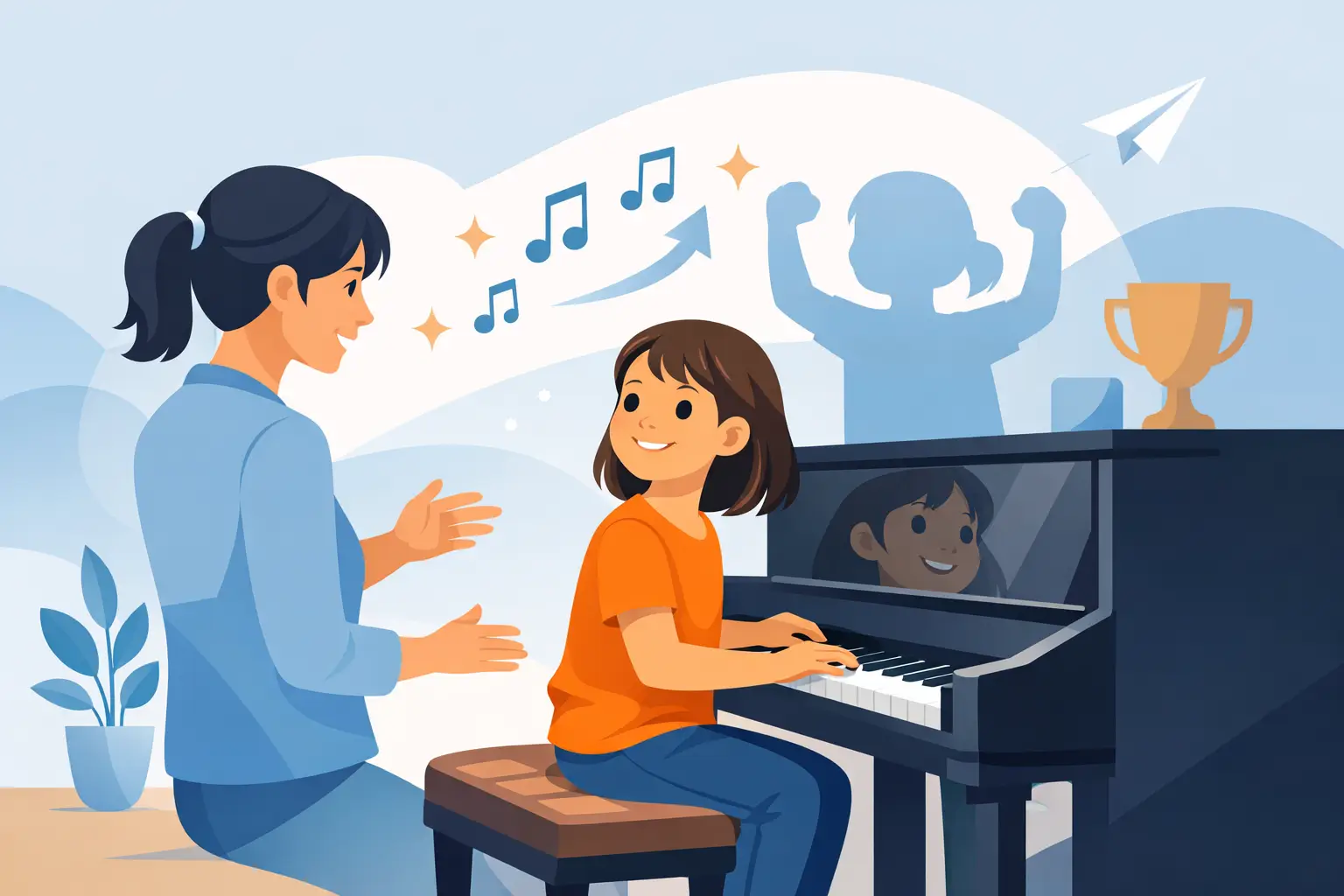
Some kids sit down at a piano and start picking out melodies by ear within minutes. Others need time, encouragement, and a teacher who knows how to make those first steps feel exciting instead of stressful. That is exactly why piano lessons for kids work best when they are built around the child, not forced into a one-size-fits-all method.
For many families, piano is the first instrument that feels approachable. The layout is visual, the first notes can sound musical quickly, and kids get the rewarding experience of making real progress early on. But the biggest wins usually go far beyond learning songs. The right lesson experience can help a child grow in confidence, focus, discipline, creativity, and comfort performing in front of others.
Why piano lessons for kids are worth it
Piano gives children a strong musical foundation. They learn melody, rhythm, timing, note reading, listening skills, and hand coordination all in one place. Because the keyboard is laid out so clearly, many kids also understand basic music theory faster on piano than they would on some other instruments.
That said, the best reason to start is not that piano is “good for them.” It is that kids light up when they feel capable. Learning a short song, recognizing a pattern, or playing for a family member can create a real sense of pride. Those moments matter. They help children see themselves as someone who can learn hard things and enjoy the process.
Parents often notice benefits that show up outside the lesson too. A child who sticks with piano may become more patient with practice, more willing to try again after mistakes, and more comfortable receiving coaching. Those are life skills, not just music skills.
What makes a child successful at piano
Natural talent can help, but it is rarely the deciding factor. A child usually does best when lessons match their personality, pace, and goals. Some students love structure and want to check off clear milestones. Others stay motivated when lessons include favorite songs, games, improvisation, or small performance goals along the way.
Age matters, but readiness matters more. A very young beginner may thrive if they can focus for short directions, recognize patterns, and respond well to encouragement. An older child may move faster simply because they have more patience and stronger fine motor skills. There is no perfect starting age for every student. The better question is whether your child seems curious, engaged, and ready to participate.
Parental support also plays a huge role. That does not mean a parent needs to be musical. It usually means helping create a routine, celebrating progress, and keeping expectations realistic. A child who feels cheered on tends to stay with lessons longer than one who feels pressured to perform perfectly.
What to look for in piano lessons for kids
A strong program should feel both organized and welcoming. Kids need guidance, but they also need room to enjoy music. The best lessons balance technique with fun so students build real skills without losing enthusiasm.
Look for a teacher who knows how to connect with children, not just play piano well. Teaching kids requires patience, clear communication, and the ability to break big concepts into small wins. A good instructor can tell when a student needs more challenge, when they need encouragement, and when a lesson should shift gears to keep momentum going.
It also helps when lessons are personalized. One child may want to learn classical basics. Another may be energized by movie themes, worship songs, pop melodies, or songwriting. Progress tends to happen faster when students see that their interests matter.
Performance opportunities can make a big difference too. Not every child wants to jump onto a stage right away, and that is okay. But having the chance to share music in a supportive setting gives kids something to work toward. It turns practice into preparation for a real, exciting moment.
What parents can expect in the first few months
The first few lessons are usually about building trust, comfort, and early success. Kids may learn keyboard geography, hand position, rhythm patterns, finger numbers, and simple songs. This stage can look basic from the outside, but it matters a lot. It sets the tone for everything that follows.
Some children progress quickly in reading music. Others connect first through listening and imitation. Neither path is wrong. A thoughtful teacher can use both, helping a child develop the full range of musical skills over time.
Parents should also expect uneven progress now and then. Kids are still kids. Some weeks they are energized and focused. Other weeks school, sports, or a busy family calendar can affect practice. The goal is not perfection. The goal is steady growth and a healthy relationship with learning.
That is why consistency matters more than marathon practice sessions. Ten focused minutes several days a week often does more than one frustrated hour on Sunday night. Young students improve best when practice feels manageable and familiar.
How to keep kids motivated
Motivation is not something children either have or do not have. It grows when lessons feel rewarding. Quick wins, encouraging feedback, and music a child actually enjoys can all keep that motivation alive.
One of the biggest mistakes families make is tying every lesson to pressure. If piano becomes another place where a child feels judged, they may shut down. Kids need standards, but they also need joy. They should leave lessons feeling challenged and proud, not defeated.
Small goals work well. Learning the right hand of a song, clapping a rhythm accurately, or performing one polished piece for grandparents can feel meaningful. These checkpoints show kids that progress is happening, even when they are still early in the journey.
Community helps too. When children see other students learning, performing, and having fun, music starts to feel bigger than a weekly appointment. It becomes something they belong to. That sense of belonging can be incredibly powerful, especially for students who are shy or unsure at first.
When private lessons make the most sense
Private piano lessons are often the best fit for kids because they allow instruction to move at the student’s pace. If a child needs more repetition, they can get it. If they are advancing quickly, the teacher can keep them challenged. That flexibility is hard to match in a larger group setting.
For beginners, one-on-one lessons can also reduce anxiety. A child does not have to compare themselves to others while they are learning the basics. They can ask questions freely and build confidence in a more personal environment.
That said, some kids benefit from more than private instruction alone. Performance classes, jam sessions, group experiences, and community events can round out their growth. A student may learn their core piano skills in private lessons, then gain confidence and stage presence through playing with others. That combination often creates a more complete musical experience.
For families in Allen and Frisco, Matt Burk Music Studio takes that broader approach seriously. Kids are not just learning notes on a page. They are being encouraged, coached, and given opportunities to grow into confident musicians who can share what they have learned.
A few signs your child is ready to start
If your child gravitates toward music, taps rhythms on the table, sings around the house, or asks questions about instruments, those are all great signs. You do not need to wait for a perfect moment. Interest is often enough to begin.
It is also okay if your child feels excited and nervous at the same time. New experiences can bring both. A warm, supportive lesson environment can turn that nervous energy into confidence surprisingly fast.
If you are unsure, a trial lesson can help answer the question better than endless debating at home. You can see how your child responds, how the teacher connects with them, and whether the overall experience feels like a fit.
The real goal of kids piano lessons
Most parents start by thinking about music skills, and that makes sense. You want your child to learn to play. But the deeper value of piano lessons for kids is often who they become while learning. They become more patient. More expressive. More willing to try, miss, adjust, and try again.
And when lessons are done well, kids do not just learn piano. They learn that growth can be fun, that effort leads somewhere, and that they have something worth sharing. That is a gift they can carry long after the first songs are learned.
If your child has been curious about piano, this is a great time to begin. A good first lesson does not ask them to be perfect. It simply invites them to start.