
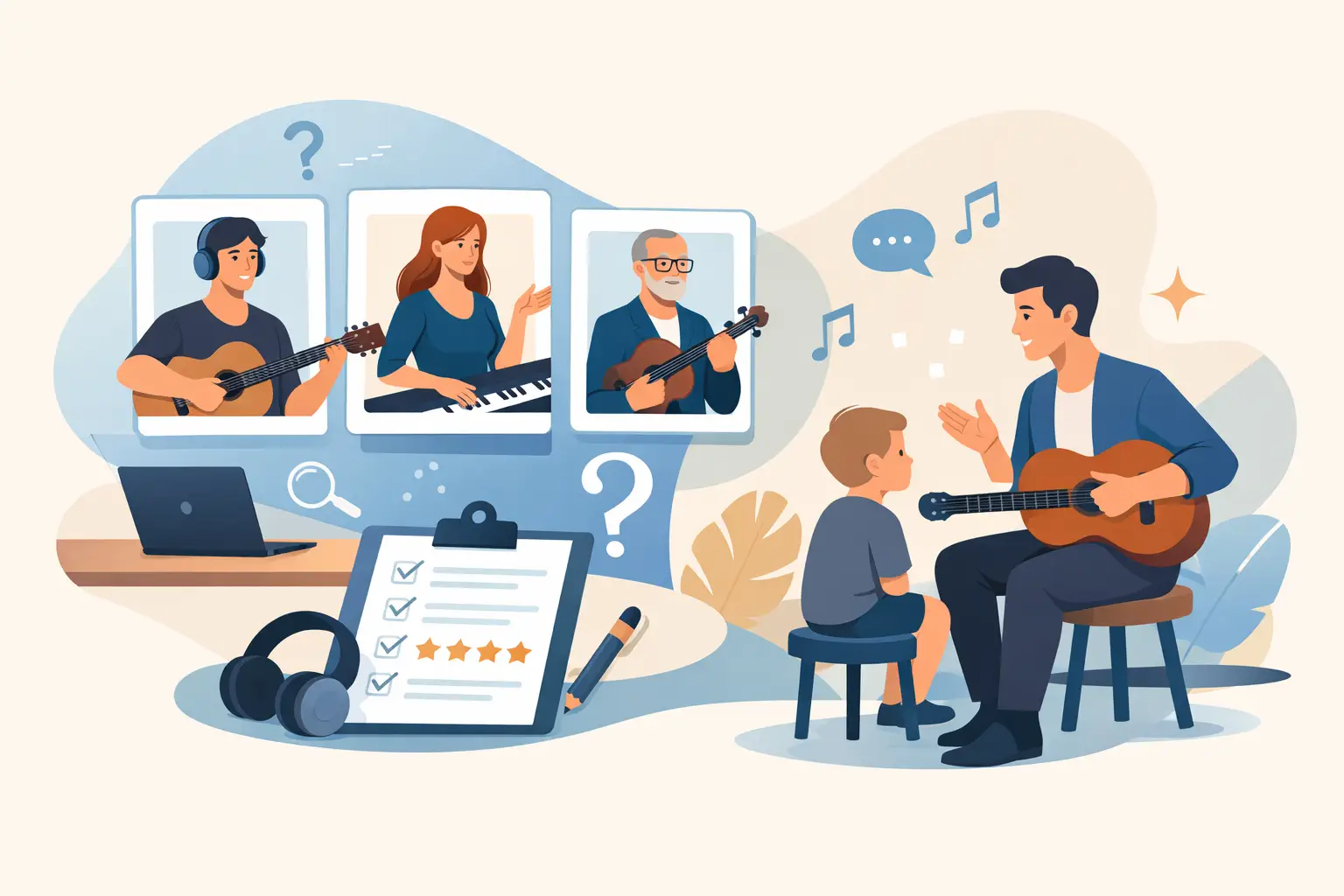
The right music teacher can change everything. A student who feels stuck, shy, or unsure can become confident, motivated, and excited to practice when they have someone who knows how to teach them well. That is why learning how to choose a music teacher matters so much. You are not just picking a weekly lesson time. You are choosing a guide, a coach, and in many cases, the person who will shape how music feels for you or your child.
Some teachers are amazing performers but not great with beginners. Some are warm and encouraging but do not offer enough structure to keep progress moving. Others may teach solid technique, but if the student dreads every lesson, the fit is not right. A great teacher balances skill, personality, goals, and momentum.
How to choose a music teacher for your goals
Start with the reason you want lessons in the first place. That sounds simple, but it is where many families and adult students get off track. If you want your child to build confidence, enjoy music, and grow over time, you may need a different kind of teacher than someone preparing a student for auditions or advanced competitions. If you are an adult beginner who wants to play favorite songs after work, you probably do not need a rigid program that feels like school all over again.
A good teacher should be able to meet the student where they are and build a plan around real goals. That could mean learning piano fundamentals, preparing for live performance, writing songs, joining a band, singing with better control, or simply having fun while learning a new skill. There is no single right goal. What matters is that the teacher listens, understands it, and teaches with that destination in mind.
When you talk with a teacher or studio, pay attention to whether they ask thoughtful questions. Do they want to know the student’s age, experience level, favorite music, personality, and learning pace? Or do they immediately push one fixed method for everyone? Personalized instruction is usually a much better sign than a one-size-fits-all approach.
Look for teaching ability, not just musical talent
This is one of the biggest mistakes people make. Being a talented musician does not automatically make someone a strong teacher. Teaching requires patience, communication, adaptability, and the ability to explain the same idea in different ways until it clicks.
A strong music teacher knows how to break big skills into manageable steps. They can challenge a student without making them feel overwhelmed. They know when to slow down, when to encourage, and when to raise the bar. For younger students especially, this matters a lot. Kids need lessons that are focused but still engaging. Adults need lessons that feel respectful, clear, and motivating.
If possible, ask what kinds of students the teacher works with most often. A teacher who is wonderful with advanced teens may not be the best fit for a six-year-old beginner. Likewise, a teacher who excels with kids might not be ideal for an adult returning to music after twenty years. Experience with your stage of learning matters.
Personality fit matters more than people think
Music lessons are personal. Students make mistakes in front of their teacher every week. They try new things, take risks, and work through frustration. That only goes well when there is trust.
The best teacher for one student may be completely wrong for another. Some students thrive with high energy and lots of encouragement. Others prefer a calm, methodical teacher who gives detailed feedback. Some need a coach who helps them come out of their shell. Others want space to move at their own pace.
Parents should watch how their child responds during an intro lesson or first meeting. Does the teacher make the student feel safe and seen? Does the child look relaxed, curious, and willing to participate? Adult students should ask themselves a similar question. Do you feel comfortable enough to ask questions and be a beginner around this person? If the answer is no, that matters.
A little nervousness at first is normal. But a consistent sense of pressure, confusion, or dread is not something to ignore.
How to choose a music teacher with the right lesson style
Not every lesson format works for every student. Private lessons offer the most customization and are often the best fit for focused skill building. Semi-private lessons can be great for students who like a little social energy. Band classes and group experiences can help students develop timing, listening, teamwork, and stage confidence in ways one-on-one lessons cannot.
That is why it helps to think beyond the teacher alone and look at the full learning environment. Does the program include opportunities to perform? Are there chances to play with others? Can the student grow into new experiences over time?
For many students, especially kids and teens, motivation goes way up when lessons lead to something tangible. A recital, jam session, open mic night, or band performance gives practice a purpose. It also helps students build confidence faster because they are not just learning in private. They are learning how to share music.
This is one reason many families look for a studio community rather than a teacher who works in isolation. A supportive environment can make sticking with lessons much easier.
Ask practical questions before you commit
Even an excellent teacher may not be the right fit if the logistics create stress every week. Convenience matters more than people sometimes admit. If scheduling is difficult, policies are rigid, or communication is unclear, families often burn out.
Ask how scheduling works, what happens if you need to reschedule, whether there are contracts, and how the studio communicates with families or adult students. These details may seem secondary, but they affect consistency, and consistency is where progress happens.
You should also ask how the teacher tracks growth. That does not mean every lesson needs a formal report card. It means there should be some sense of direction. Students should know what they are working on, what improvement looks like, and what the next step is.
A great music program feels both encouraging and organized. It should be fun, but not random.
Watch for signs of a student-centered teacher
The best teachers know that progress is not just about covering material. It is about keeping students engaged long enough to grow. That means lessons should connect to the student’s interests while still building real musicianship.
If a child loves pop songs, the teacher should know how to use that interest productively. If an adult wants to learn chords for singing at home, the teacher should not force a narrow path that ignores that goal. If a teen wants to perform, lessons should include preparation for that kind of growth.
Student-centered teaching does not mean letting students avoid all challenge. It means shaping the challenge in a way that keeps them moving forward. The right teacher knows how to make lessons enjoyable and productive at the same time.
One strong sign is flexibility inside a clear plan. Another is enthusiasm. Students can tell when a teacher genuinely cares. That kind of support builds confidence, and confidence keeps people coming back.
A trial lesson can tell you almost everything
If you are wondering how to choose a music teacher, a trial lesson is often the clearest next step. You can learn more in one real lesson than from a dozen emails.
During a trial, pay attention to the teaching, but also to the feeling in the room. Is the teacher encouraging? Do they explain things clearly? Do they make the student feel successful while still giving useful feedback? Is the lesson paced well? Does it feel personalized, or generic?
For parents, it helps to notice whether the teacher balances warmth and direction. For adult students, notice whether you leave feeling energized to come back. The right lesson usually creates momentum. You may not walk out sounding amazing, but you should feel hopeful, capable, and excited.
That first experience often reveals whether the teacher can turn interest into progress.
In the Allen and Frisco area, many families and adult students want more than basic weekly instruction. They want a place where lessons are personal, growth is encouraged, and students have real opportunities to perform, connect, and enjoy the process. That is why finding a teacher or studio that values both skill development and community can make such a difference.
Choosing a music teacher is really about choosing the kind of musical journey you want. Pick someone who sees the student in front of them, knows how to help them grow, and makes the process feel possible. When that fit is right, lessons stop feeling like one more thing on the calendar and start becoming something students truly look forward to.