
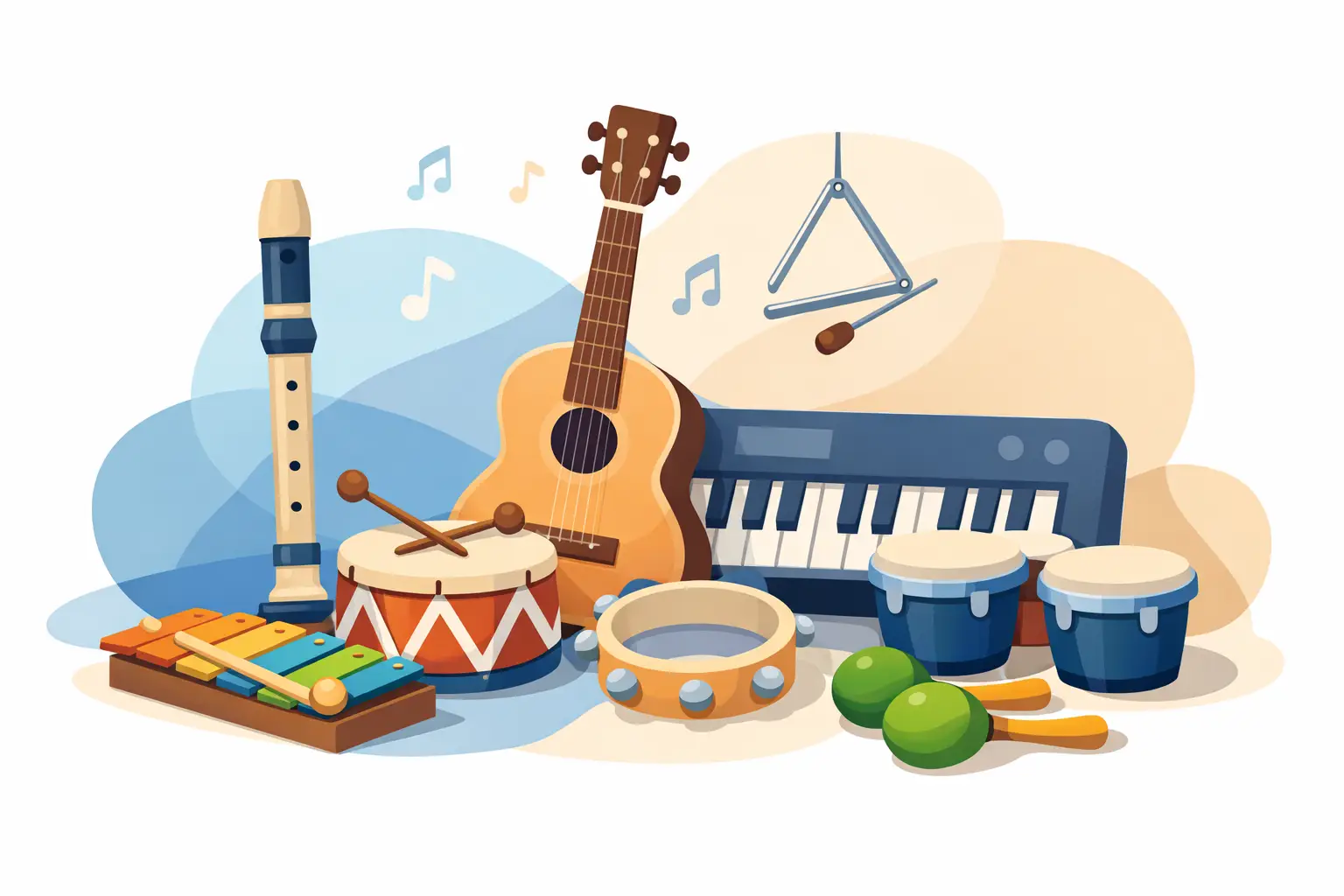
Some kids tap rhythms on the kitchen table all day. Others sing every sentence, press random notes on a piano, or air-strum a tennis racket like they are already on stage. If you are trying to figure out the best first instruments for kids, that spark matters more than picking the "perfect" instrument on paper.
The right first instrument should feel exciting, manageable, and rewarding early on. A child who gets a good first fit is much more likely to stick with lessons, build confidence, and actually enjoy practicing. A child who starts on something too physically demanding, too frustrating, or simply not their style may decide music is not for them - when really, the instrument just was not the right match.
What makes the best first instruments for kids?
Parents often ask for one universal answer, but there really is not one. The best choice depends on your child’s age, attention span, personality, physical size, and what kind of music lights them up.
A great first instrument usually has three things going for it. It gives the student some early success, it fits their body comfortably, and it creates a sound they actually like. That last part is bigger than many families expect. Kids are more motivated when they connect emotionally to the instrument.
It also helps to think beyond the first month. Some instruments are easy to start but harder to stay excited about. Others take a little patience up front but open the door to years of musical growth, band experience, songwriting, and performance opportunities.
Piano
For many children, piano is one of the strongest starting points. The layout is visual and straightforward. Low notes are on the left, high notes are on the right, and students can see patterns as they learn them. That makes it easier for many beginners to understand pitch, rhythm, note reading, and basic music theory.
Piano also builds a broad musical foundation that can carry into almost any other instrument later. A student who starts on piano often develops strong listening skills, coordination, and confidence with musical structure.
The trade-off is that consistent access to an instrument matters. A quality keyboard can be a practical starting option, but it still needs full-size keys and a setup that makes practice comfortable. If a child is excited by melodies, likes structure, or enjoys figuring things out visually, piano is often an excellent fit.
Ukulele
Ukulele is one of the most friendly entry points for younger students. It is small, approachable, and easier on little hands than many string instruments. Kids can learn a few basic chords and start playing recognizable songs surprisingly quickly, which gives them a strong sense of momentum.
That quick-win factor is a big deal. When students can make real music early, they feel capable. That confidence carries into practice habits and performance readiness.
Ukulele is especially great for kids who love to sing along, move around, and play popular songs. It may not be the forever instrument for every child, but it can be a fantastic first step into rhythm, harmony, and musical independence.
Drums
For high-energy kids, drums can be a fantastic first instrument. Students who struggle to sit still during other activities often thrive when rhythm becomes physical. Drums channel movement, focus, timing, and coordination in a way that feels natural and fun.
Drumming also builds strong musicianship. Kids learn pulse, subdivision, dynamics, listening, and ensemble awareness. Those are valuable skills no matter where their musical path goes.
The obvious consideration is volume and space. An acoustic drum kit is not ideal for every home, though practice pads and electronic kits can help. Drums are often best for children who respond well to active learning and love beat-driven music.
Guitar
Guitar is one of the most requested instruments, and for good reason. Kids see it in bands, hear it in favorite songs, and imagine themselves playing for friends or on stage. That inspiration can be powerful.
Still, guitar is a bit more of an it-depends instrument for beginners. Some children do great right away, especially if they are patient and determined. Others find the finger strength, string pressure, and hand positioning frustrating at first.
A properly sized instrument makes a huge difference. So does starting with age-appropriate goals instead of expecting full chords immediately. Guitar can be one of the best first instruments for kids who are motivated by songs, performance, and the idea of playing in a group, but it helps to have encouraging instruction from the start.
Voice
Voice is sometimes overlooked because people do not always think of it as a child’s "first instrument," but it absolutely can be. Every child already has a voice, which removes the cost and setup barrier of buying gear before they begin.
Voice lessons can help kids build pitch matching, breathing, confidence, and stage presence. They also work especially well for children who are expressive, love lyrics, and naturally gravitate toward singing at home, in the car, or at school events.
The main thing to remember is that voice lessons for kids should be age-appropriate and skill-building, not intense or pressured. A supportive approach helps young singers develop healthy habits while keeping music joyful.
Bass
Bass is a hidden gem for some beginners. It is often easier for kids to get satisfying early results on bass than on guitar because the role is more pattern-based and rhythm-focused. Students can lock into grooves quickly and feel like part of a band right away.
That sense of teamwork is huge for many kids. Not every young musician wants the spotlight. Some love being the steady force that makes the whole song work.
Bass can be an especially smart choice for kids who are drawn to rhythm, enjoy lower sounds, or seem naturally collaborative. The challenge is instrument size, so fit matters a lot for younger students.
Which instrument is best by age?
Age can guide the decision, but it should not control it completely. A focused six-year-old may be ready for something that would frustrate another child at eight. Personality often matters as much as age.
For many younger beginners, piano and ukulele are especially accessible. They allow early wins without requiring too much physical strength. Voice can also be wonderful for kids who love to sing and perform.
As children get a little older, guitar, drums, and bass often become more practical choices, especially if they are excited about bands and contemporary music. The key is not asking, "What should kids learn first?" but asking, "What can my child connect with and succeed on right now?"
How to choose without overthinking it
Parents sometimes feel pressure to get this exactly right, but the first instrument does not have to be the final instrument. Starting somewhere meaningful is better than waiting forever for certainty.
Watch what your child already does on their own. Do they sing constantly? Tap every beat? Get curious about melodies? Pretend to play guitar during songs? Those clues are useful.
It is also smart to think about practical life at home. Where will the instrument live? Can your child practice without a daily battle? Are you choosing based on your child’s interest or your own idea of what sounds impressive? A great music journey usually starts with ownership and enthusiasm, not pressure.
The best first instrument is the one they want to return to
There is no prize for picking the most traditional instrument or the one that seems most academically impressive. The real win is finding an instrument that makes your child say, "Can I play again?"
That is where progress starts. Not in perfection, but in excitement, consistency, and small moments of success that build into something bigger.
When kids feel supported, they do more than learn notes and rhythms. They grow in confidence. They take healthy risks. They discover what it feels like to work at something, improve, and share it with other people. That is why the first instrument matters so much.
If you are deciding between a few good options, a trial lesson can make the answer much clearer. Sometimes all it takes is one encouraging experience for a child to realize, "Yes, this is my instrument." At Matt Burk Music Studio, that first spark is something we take seriously - because music should feel fun, personal, and possible from day one.
Your child does not need to start with the perfect instrument. They just need a place to begin, a little guidance, and the chance to discover how good it feels to make music.